The asphalt milling NJ resurfacing jobs rely on removes the worn top layer without disturbing a sound base – the right first step before a fresh wearing course.
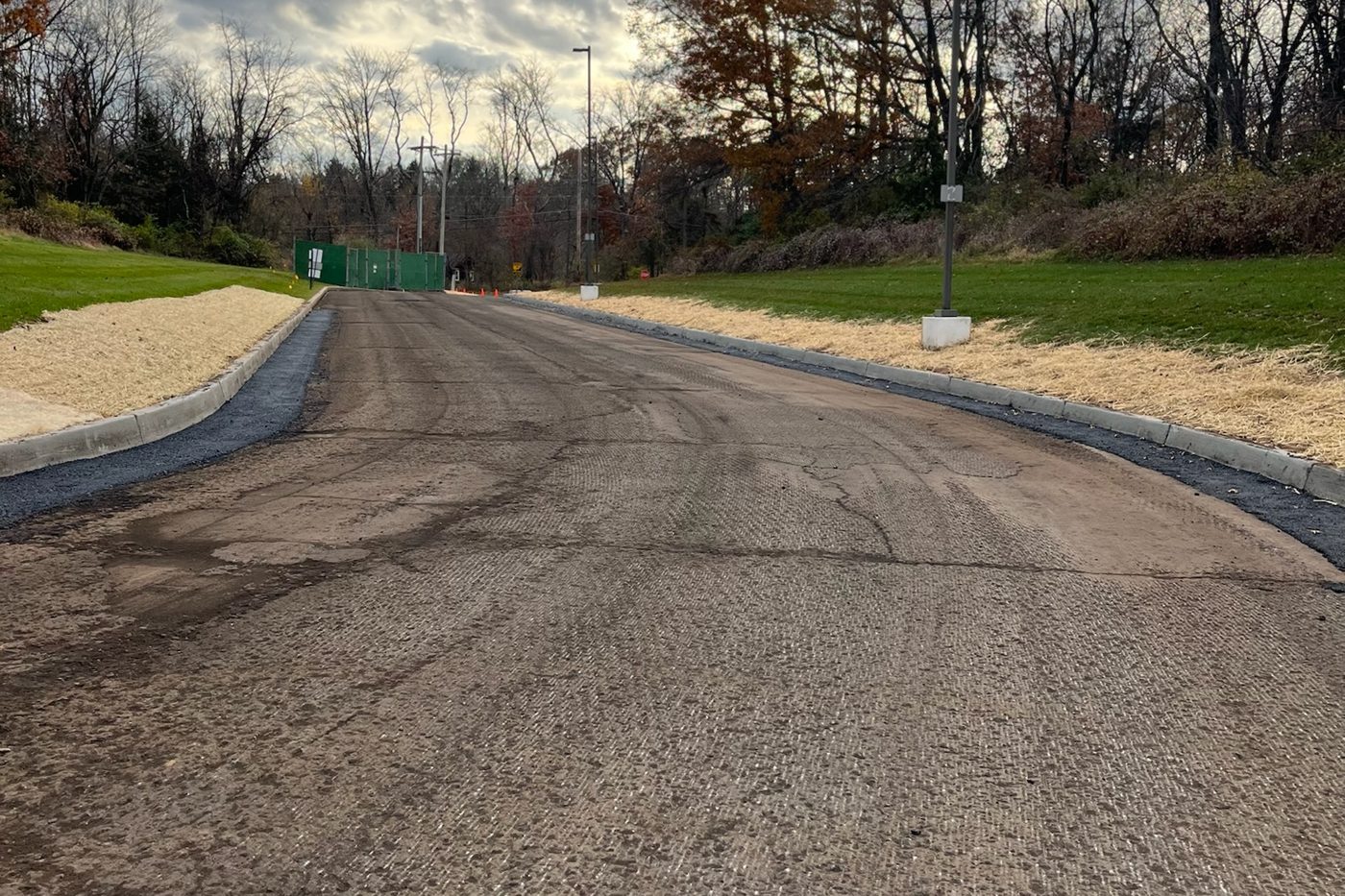
Milling removes the worn top layer of asphalt without tearing up the entire base — then we pave a fresh wearing course right back on top. It’s the right call when the base is still sound but the surface is rutted, cracked, or oxidized, and when you need to keep existing curb and drainage elevations exactly where they are.
Why property owners choose mill-and-pave
- Keeps existing curb, gutter, and drainage elevations exactly where they are (a full overlay raises the surface and can trap water against curbs and door thresholds)
- Faster and less expensive than full-depth reconstruction when the base is still sound
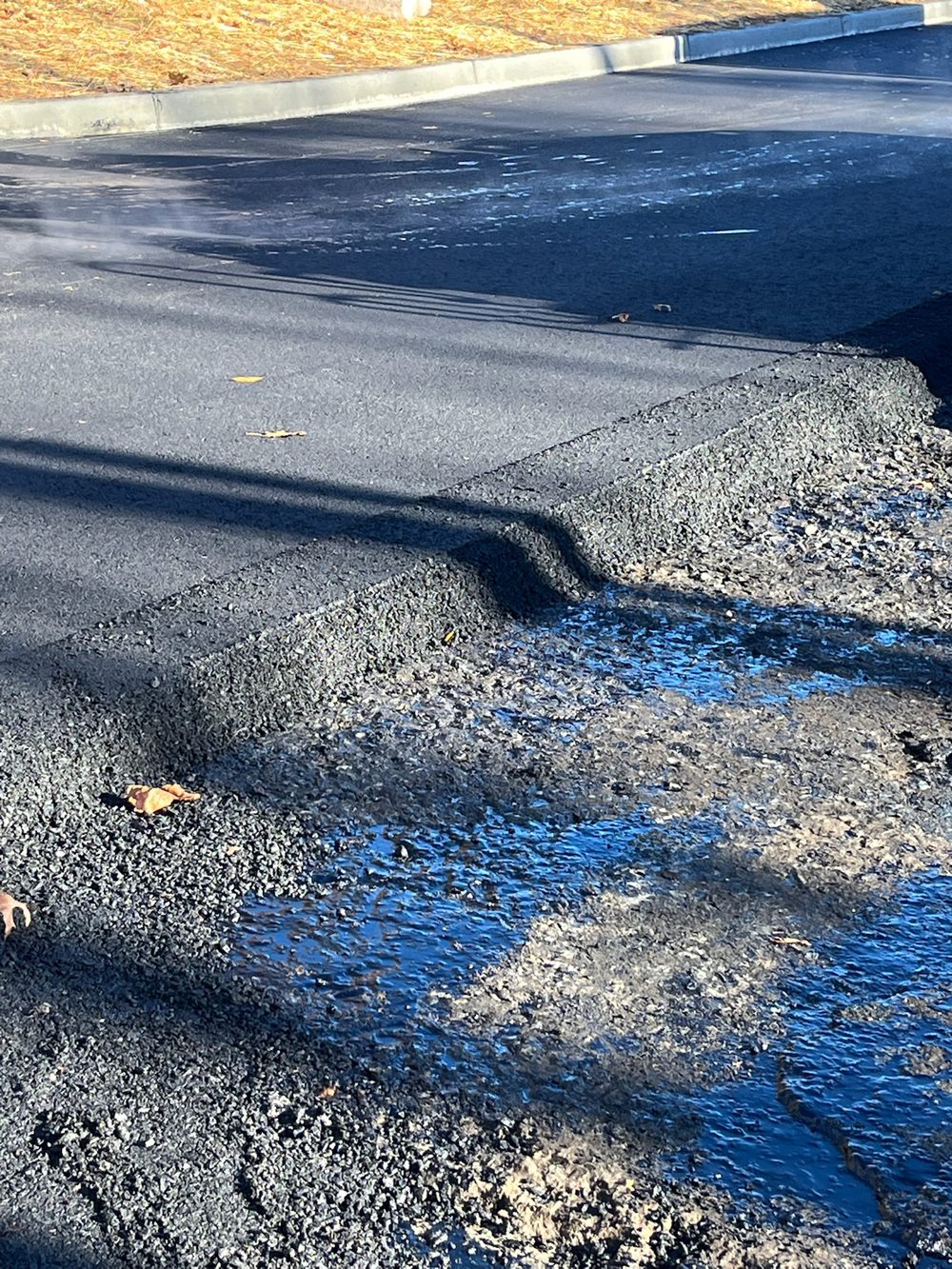
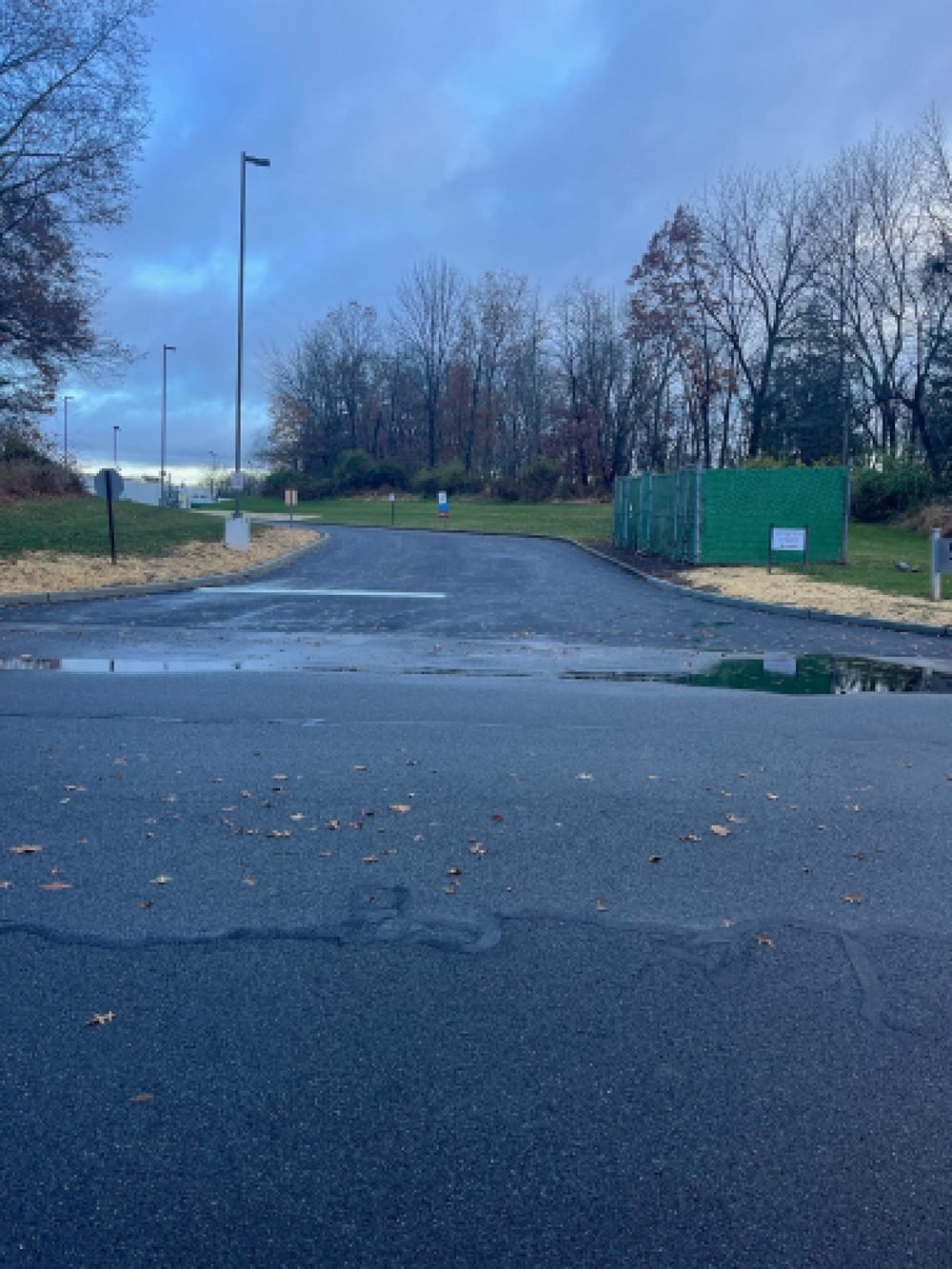
- Leaves a clean, level joint where new asphalt ties into surrounding pavement
- The milled material is recycled, which keeps disposal costs and waste down
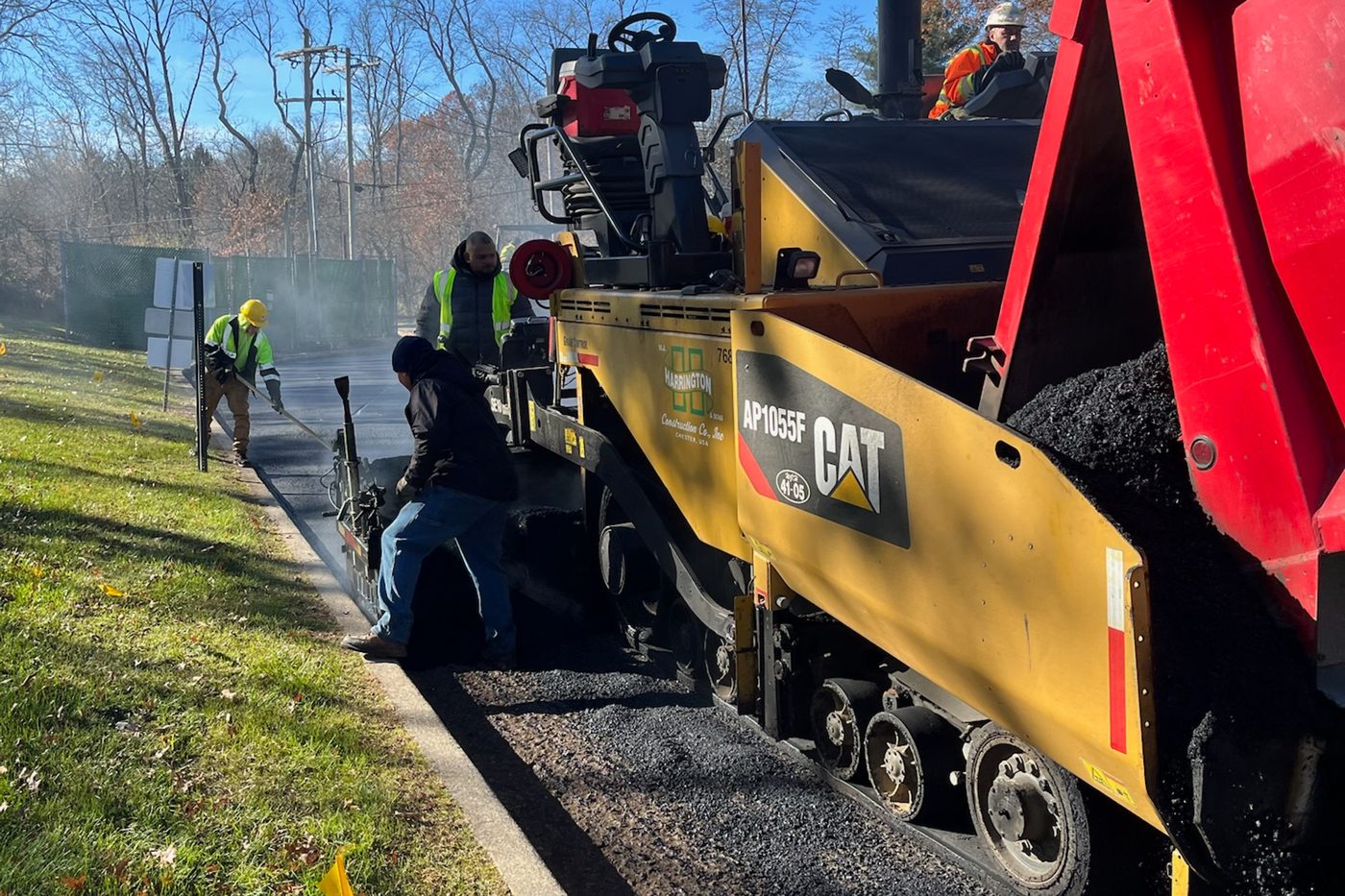
When mill-and-pave makes sense
- The surface is worn but the base is structurally sound
- You need to maintain existing curb and drainage elevations (a full overlay would raise the surface)
- Tying new asphalt into existing pavement at a level joint
- Removing rutted, alligator-cracked, or oxidized top layer before resurfacing
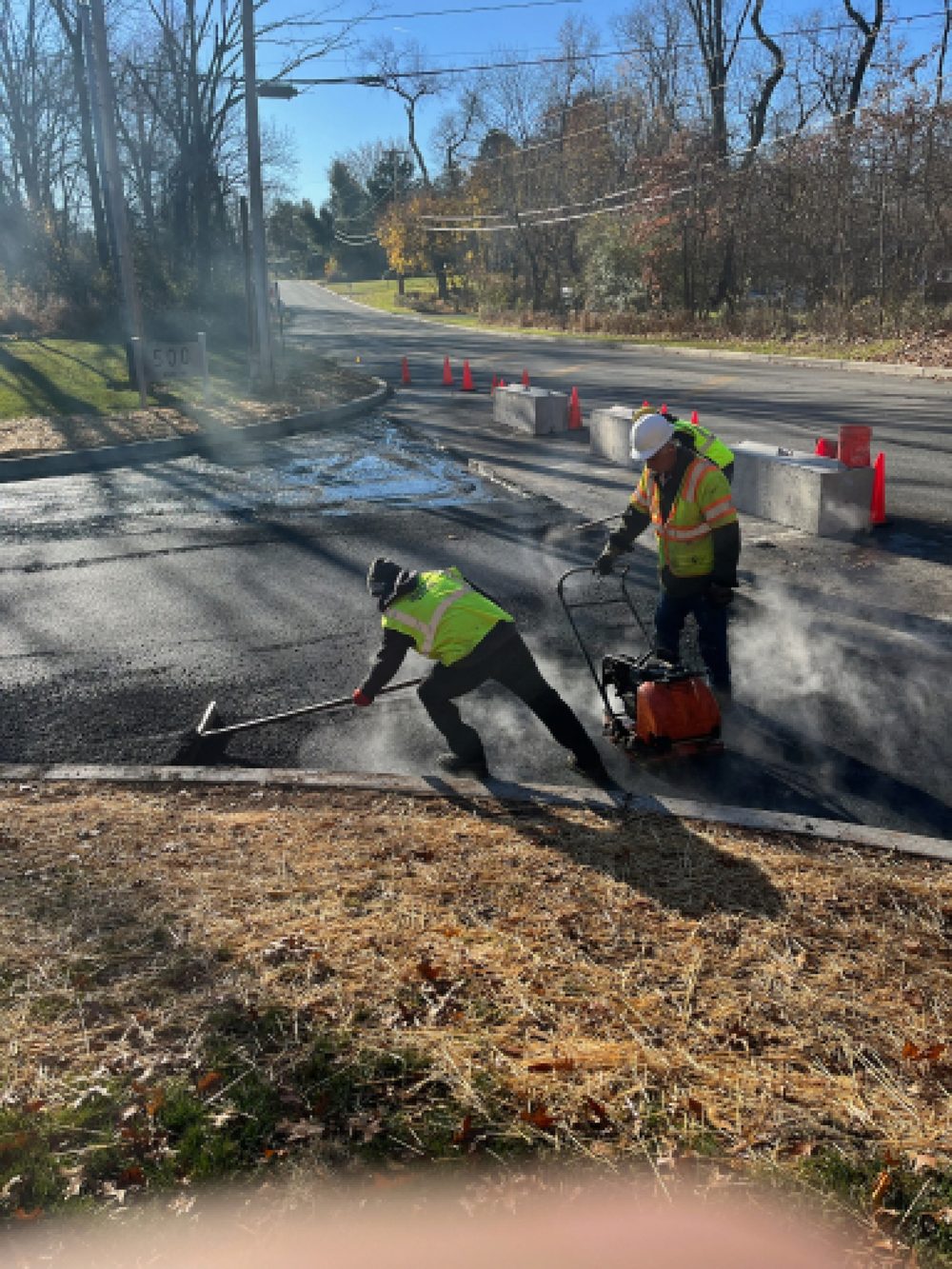
How the process works
- Mill the existing surface to a controlled depth — typically 1.5–2 inches for a wearing-course rehab
- Sweep the surface and apply a tack coat so the new asphalt bonds cleanly
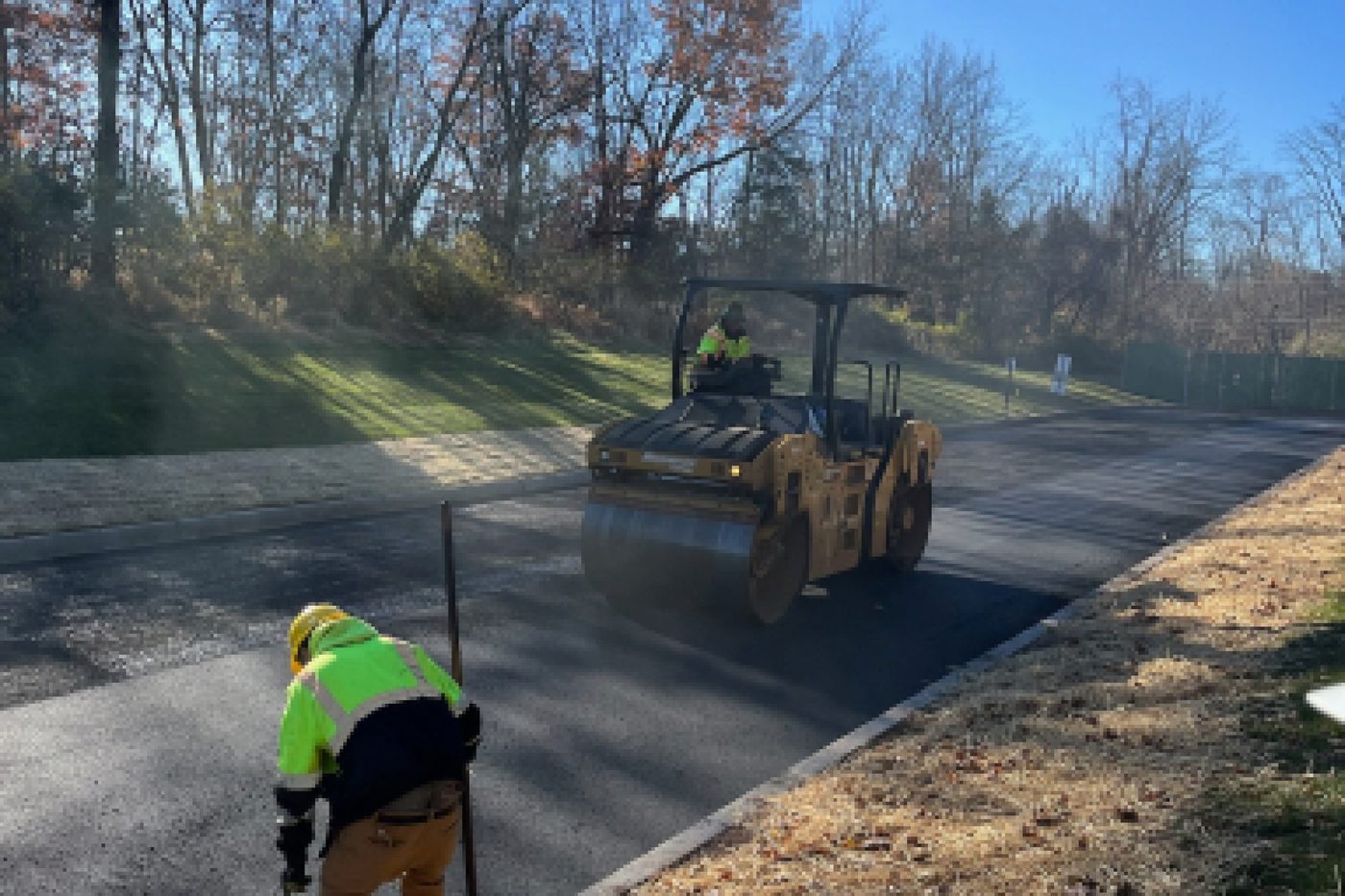
- Pave the new asphalt to grade and compact to spec
- Finish edges, transitions, and tie-ins to the surrounding pavement
Get a quote
Mill-and-pave is usually quoted as part of a larger paving project. Request an estimate or call (908) 730-7281 to discuss scope.
Ready for a free estimate?
We respond within one business day.