Driveway sealcoating is an important maintenance task that helps extend the life of your pavement and improve its look. But how do you know when to sealcoat, and what steps should you take for the best results? This guide will cover everything you need to know about driveway sealcoating in New Jersey, providing practical advice and expert insights.
Why Sealcoating Matters
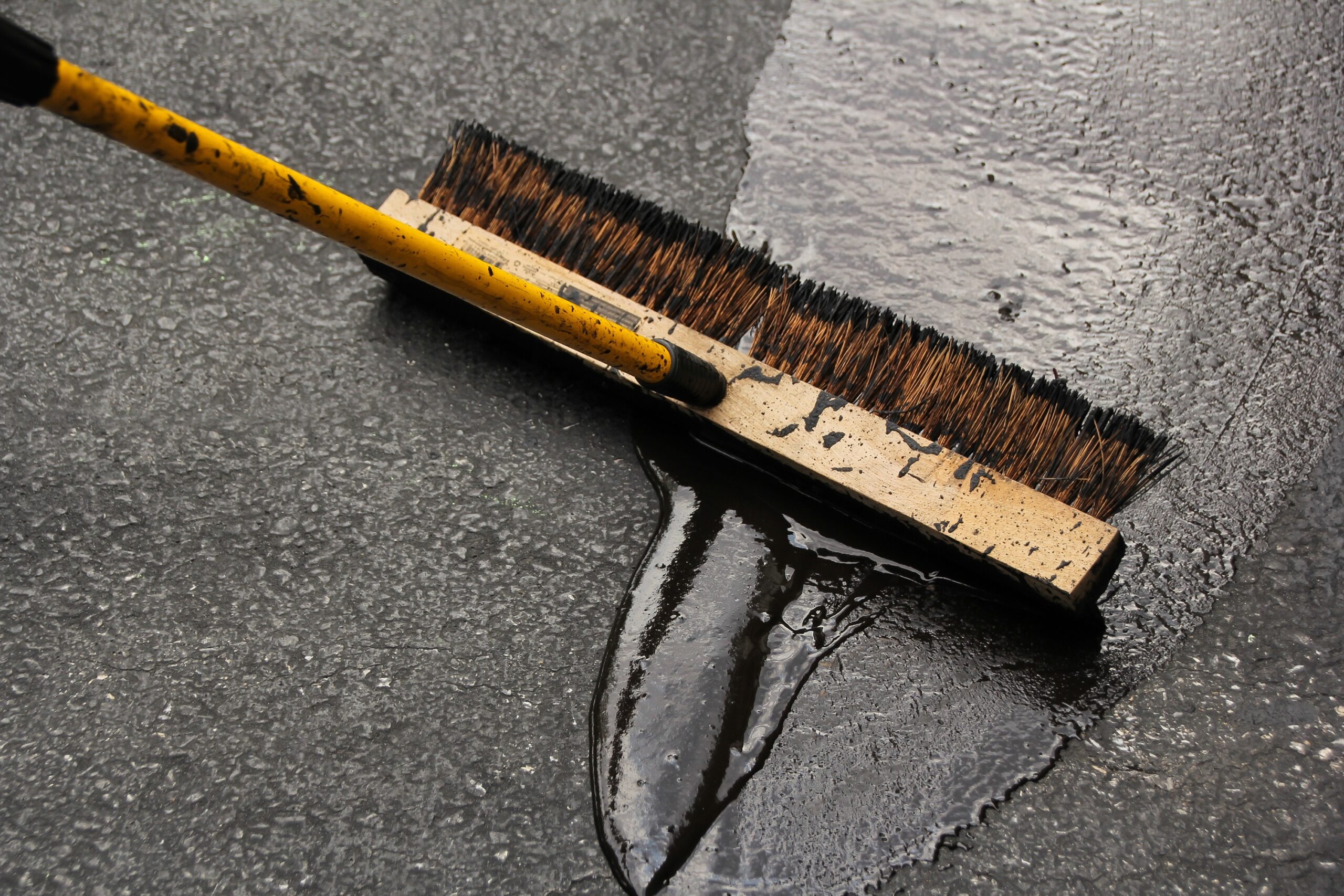
Sealcoating acts as a protective layer for your driveway. It shields your pavement from harsh weather, including strong UV rays, rain, and snow. Without this layer, driveways can crack and wear out faster, leading to expensive repairs.
Driveways last up to 30% longer with regular sealcoating
By investing in sealcoating, homeowners can stop water from seeping into the pavement. This is especially important in New Jersey, where freeze-thaw cycles are common. Learn more about the benefits of sealcoating on our website.
When to Sealcoat Your Driveway
Timing is key for sealcoating. You should sealcoat your driveway every two to three years, depending on its condition and local weather. If you see cracks or discoloration, it may need attention sooner.
Seasonal Considerations
In New Jersey, the best time to sealcoat is from late spring to early fall when the weather is warm and dry. This helps the sealant cure properly, giving you the best protection.
Pro tip: Avoid sealcoating in temperatures below 50°F for best results
Choosing the Right Sealant
Not all sealants are the same. When picking a sealant, think about its durability, color, and environmental impact. Many experts recommend asphalt-based sealants for their strength and protective qualities.
Types of Sealants
- Coal Tar Sealants: Known for their durability and resistance to oil and gas spills, but they can be less environmentally friendly.
- Asphalt Emulsion Sealants: More eco-friendly and easier to apply, though they may not last as long as coal tar options.
Choosing the right sealant is crucial for getting the best results. Visit our website to explore more about different sealant options.
Preparing Your Driveway for Sealcoating
Proper preparation is essential for a successful sealcoating job. Start by cleaning your driveway to remove dirt, debris, and oil stains. This ensures that the sealant sticks well.
6 Steps for Preparation
- Trim the edges (if applicable): All edges of your pavement will be power trimmed of all overhanging grass.
- Clean the surface: Use a power washer or a stiff broom to clean the driveway.
- Treat oil and petroleum spots: Any visible or petroleum marks will be heat flashed to remove all surface solvents. They then will receive one coating of oil spot primer to (this helps to insure a strong bond between the marked areas and fresh pavement sealer)
- Repair cracks: Fill any 3/8” or larger cracks or holes with “Black Beauty,” a suitable patching compound.
- Treat alligator (chicken-wire) cracking: Chicken-wire cracked areas (if specified on your proposal will be cleaned and covered with hot rubberized crack sealant.
- Patch potholes: Pothole repairs (if specified on your proposal) will be completed by removing all loose debris from the pothole, applying an industrial grade synthetic asphalt patch, and compacting until set firm.
- Allow to Dry: Make sure the surface is completely dry before applying the sealant.
Hiring a Professional vs. DIY
While some homeowners choose to sealcoat their driveways themselves, hiring a professional can save time and ensure a better finish. Professionals have access to high-quality products and equipment that can provide a more durable and even coat.
Benefits of Hiring a Professional
- Expertise: Professionals can spot issues that may not be visible to the untrained eye.
- Quality Products: They have access to high-quality sealants and equipment.
- Time-Saving: Avoid the hassle of doing it yourself and ensure the job is done right the first time.
If you’re considering professional sealcoating services, get in touch with us today.
Maintaining Your Sealed Driveway
Once your driveway is sealed, proper maintenance will help it last longer. Avoid parking heavy vehicles on it for at least 48 hours, and keep it clean from debris and oil spills.
Regular Maintenance Tips
- Sweep Regularly: Keep the surface free of leaves and debris.
- Spot Clean: Address any oil or gas spills immediately to prevent damage.
- Inspect Annually: Check for cracks or wear and schedule touch-ups as needed.
Regular maintenance can extend your driveway’s life by several years.
Conclusion
Driveway sealcoating is an essential maintenance task that can save you money in the long run by preventing costly repairs. Whether you choose to do it yourself or hire a professional, understanding the process and timing can make all the difference. Protect your investment and enhance your home’s curb appeal by ensuring your driveway is properly sealcoated.
For more information on sealcoating services in New Jersey, visit our website or get in touch with our team.